
Persian Aphasia Naming Test
- Authors(s)
- Reza Nilipour, PhD
- Year
- 2011
This is the second edition of a standardized test for assessing naming ability and verbal memory in Persian-speaking individuals with aphasia. Originally developed through a research project at the Speech and Language Research Group and first published in 2005, the test has been revised based on feedback and findings from clinical studies conducted with elderly control groups, patients with various brain lesions causing aphasia, and Persian-speaking Alzheimer’s patients. The book covers the test’s objectives and structure, including its use in differential diagnosis and clinical applications, along with detailed administration instructions, scoring guidance, and a diagnostic profile method. It explores patterns of verbal memory impairment and the role of phonemic and semantic cueing in retrieval. The work serves as a clinically validated tool addressing the scarcity of standardized clinical linguistics instruments available for research and therapy in Iran.
more
Persian Aphasia Naming Test (Pictures)
- Authors(s)
- Reza Nilipour, PhD
- Year
- 2011
This volume contains the picture stimulus set accompanying the Persian Aphasia Naming Test, a standardized instrument for assessing word-finding and verbal memory abilities in Persian-speaking individuals. It was developed as part of a research project supported by a clinical linguistics research fellowship from Iran’s National Elites Foundation. The book provides the line-drawing images used during test administration, designed to elicit naming responses across a range of object and concept categories. It is intended to be used together with the test’s administration guide and scoring materials. The picture set supports clinical evaluation and differential diagnosis of verbal memory impairment in patients with aphasia and related language disorders.
more
Diagnostic Reading Test (Subtests)
- Authors(s)
- Sima Shirazi, Reza Nilipour, PhD
- Year
- 2011
This companion volume provides the full set of subtests used in the Persian Diagnostic Reading Test. It contains a guide passage and two parallel reading passages for assessing reading level, a list of Persian letters for evaluating pronunciation and letter recognition, irregular words for testing whole-word reading ability, and non-words for assessing the phonological reading route. Designed to be used alongside the test manual, this booklet supplies the actual stimulus materials administered to examinees during testing. It serves as an essential practical resource for clinicians and researchers conducting standardized reading assessments in Persian-speaking populations.
more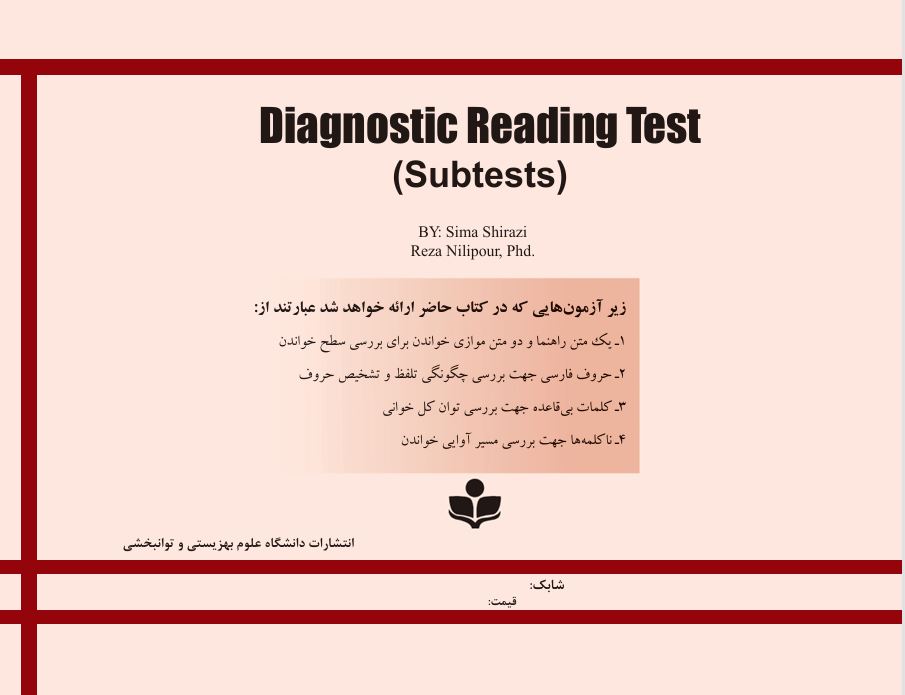
Diagnostic Reading Test (Manual)
- Authors(s)
- Sima Shirazi, Reza Nilipour, PhD
- Year
- 2011
This manual presents a standardized Persian reading test designed to diagnose reading difficulties through a structured battery of subtests. It includes guidance for administering passage reading, dictation, grapheme-phoneme correspondence tasks, irregular word reading, non-word reading, and copying tasks, along with a method for recording error types. The manual explains how to interpret examinee scores, and reports on the test’s validity, reliability, and normative data drawn from a sample population. Appendices provide supplementary materials and statistical tables supporting score interpretation. It is intended as a practical clinical and educational tool for identifying the nature and severity of reading impairment in Persian-speaking individuals.
more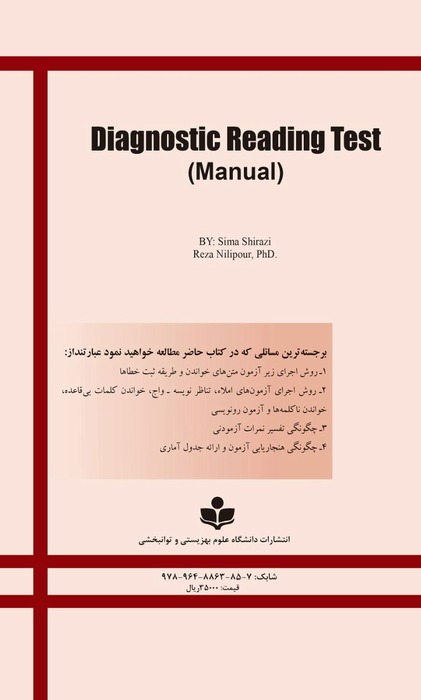
Ultraviolet Ray (UVR) in Rehabilitation
- Authors(s)
- Dr. Iraj Abdolahi, Dr. Mohsen Amiri
- Year
- 2010
This book provides a scientific and clinical overview of ultraviolet radiation and its therapeutic applications in rehabilitation. It introduces the physics of UV rays, their natural and artificial sources, and the biological mechanisms through which UV exposure affects human tissue. The authors describe physiological responses such as erythema, pigmentation, vitamin D synthesis, desensitization, and photochemical reactions. Clinical chapters outline principles of UV dosage, lamp selection, safety precautions, and treatment protocols. The book also reviews therapeutic uses of UVR for dermatological conditions including psoriasis, eczema, urticaria, and wound care—as well as photochemotherapy methods such as PUVA. Potential risks, short term and long term complications, and protective strategies are discussed to ensure safe clinical practice. This text serves as a practical reference for rehabilitation and dermatology professionals working with UV based interventions.
more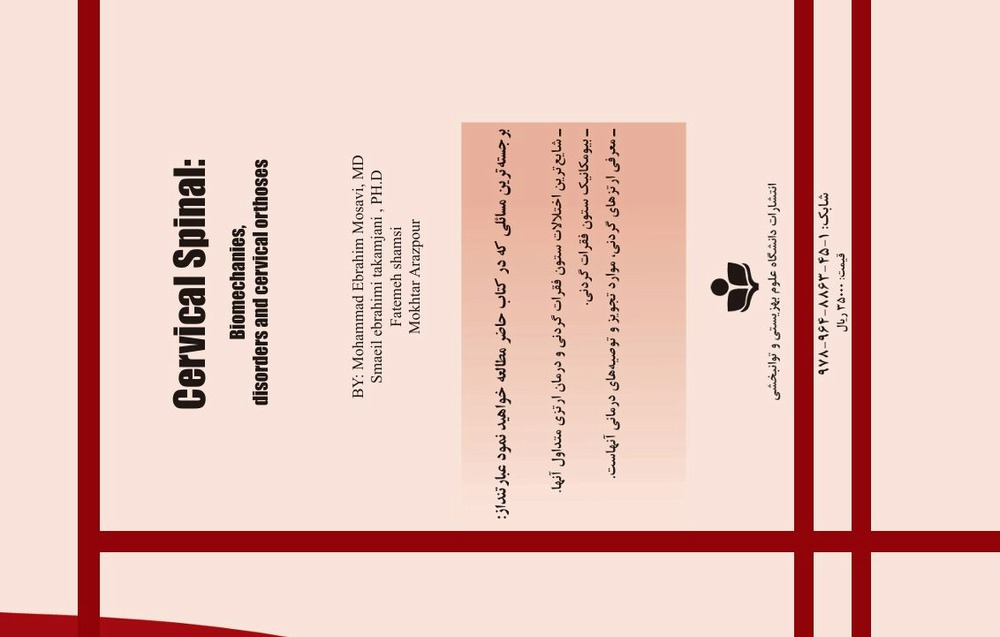
Persian Sign Language (Volume IV)
- Authors(s)
- Dr. Younes Lotfi, Mohsen Looh Mousavi, Habib Tehranizadeh, Morteza Piroozi, Akram Hajaliakbar, Parisa Kermani zadeh
- Year
- 2010
This third volume of Persian Sign Language expands the vocabulary and visual communication tools introduced in earlier volumes. Developed by the University’s Committee on Sign Language Research and Development, it provides detailed illustrations and motion indicators for more than 500 additional signs needed by deaf individuals in daily communication. The book covers a wide range of topics, including relationships, social interactions, religion, food, household items, school terminology, occupations, sports, health, emotions, transportation, science, geography, animals, and time concepts. It also includes a comprehensive guide to hand movement symbols and the Persian manual alphabet. Designed to unify sign usage across Iran, this volume reflects extensive collaboration with deaf communities, educators, and rehabilitation specialists, offering a practical and culturally grounded reference for learners and professionals.
more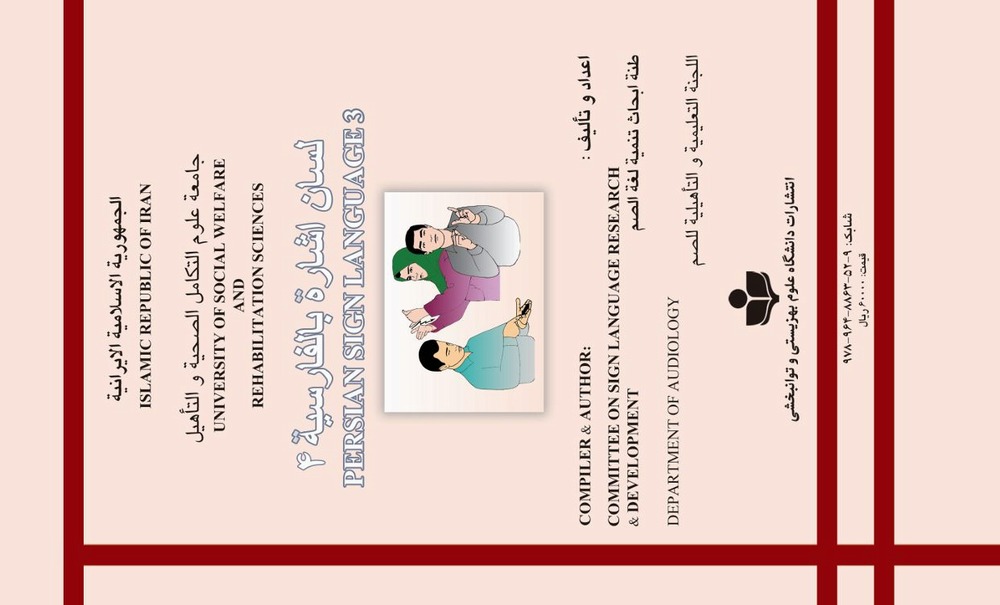
Persian Sign Language (Volume II)
- Authors(s)
- Committee on Sign Language Research &
- Year
- 2010
This second volume of Persian Sign Language expands the foundational work introduced in Volume I, offering an extended collection of signs organized across a wide range of everyday and specialized topics. Developed by the Committee on Sign Language Research and Development, the book includes detailed illustrations, motion indicators, and standardized sign descriptions to support accurate learning and teaching. It covers advanced vocabulary related to daily communication, social interactions, occupations, health, emotions, education, travel, geography, and more. Updated through multiple editions, this volume reflects feedback from deaf users, instructors, and rehabilitation experts, aiming to strengthen consistency and accessibility in sign language education throughout Iran. It serves as a practical reference for learners, families, and professionals working with the deaf community.
more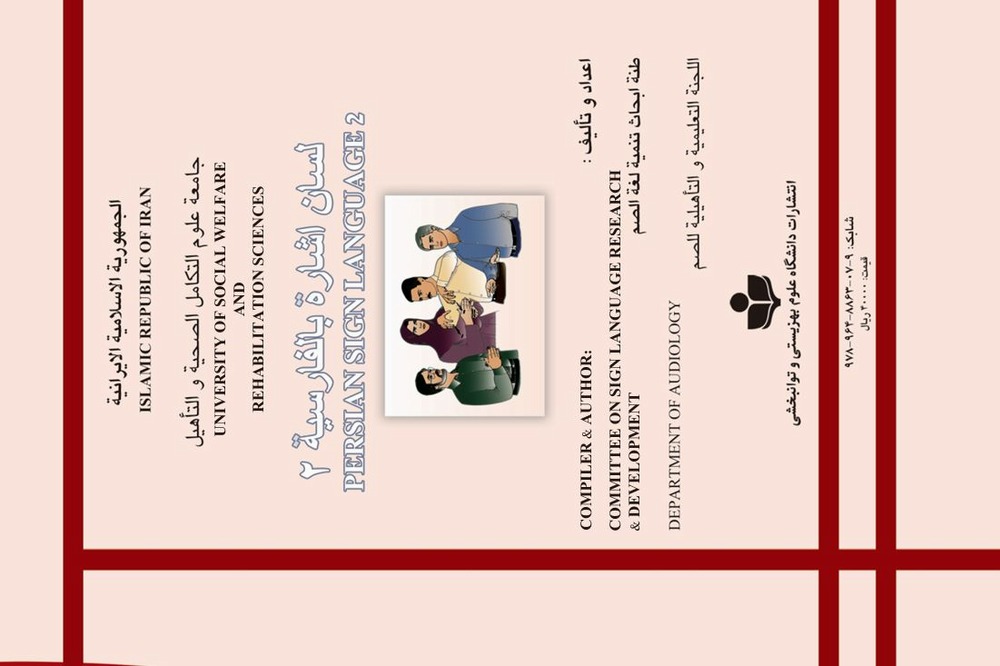
Persian Sign Language (Volume I)
- Authors(s)
- Committee on Sign Language Research & Development
- Year
- 2010
This book presents the first volume of Persian Sign Language, developed by the Committee on Sign Language Research and Development at the University of Social Welfare and Rehabilitation Sciences. It provides a structured collection of signs organized into thematic chapters covering daily communication, social behavior, occupations, religion, colors, food, clothing, household items, body organs, health, emotions, school terminology, sports, travel, geography, plants, animals, and more. The book includes illustrations of each sign and offers a practical reference for learners, educators, and families seeking to communicate effectively with deaf individuals. Updated through multiple editions, this volume reflects feedback from deaf users and instructors and aims to support consistent, accessible sign language learning across Iran.
more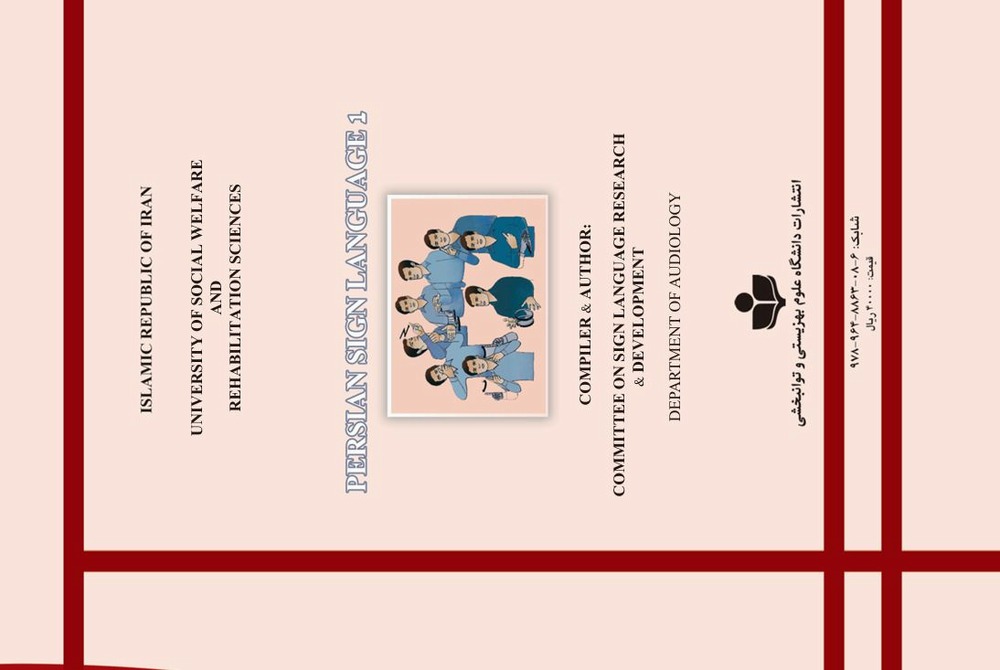
The Methods of Social Work in Prevention and Treatment of Addiction
- Authors(s)
- Dr. Ghoncheh Raheb, Dr. Mostafa Eghlima
- Year
- 2010
This book provides a comprehensive overview of social work methods used in the prevention, treatment, and rehabilitation of individuals affected by addiction. It examines addiction as a multidimensional phenomenon shaped by biological, psychological, social, and environmental factors. The authors describe how social workers intervene at three levels individual, family, and community using assessment tools, therapeutic models, and empowerment strategies. The text outlines key theories such as functional, psychosocial, task centered, problem solving, and multi dimensional family therapy, and explains how these approaches guide clinical decision making. It also presents group work techniques, community based interventions, and social planning models that support prevention and long term recovery. The book serves as a practical guide for professionals seeking structured, evidence informed methods for addressing addiction within diverse social contexts.
more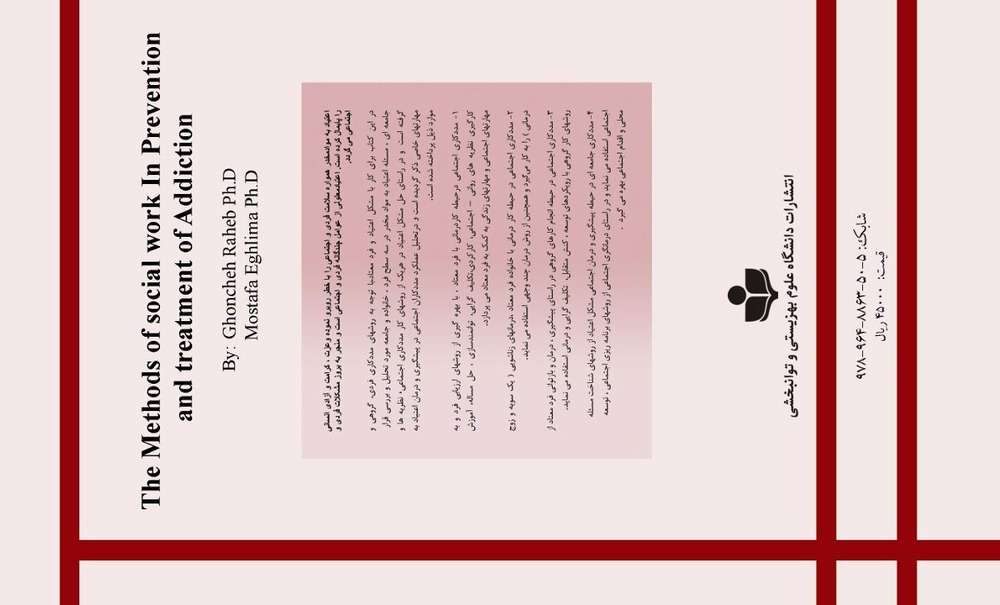
Community Psychotherapy: A Distinct Approach to Community Based Empowerment
- Authors(s)
- Dr. Saeid Jahanshahifard
- Year
- 2010
This book introduces the concept of community psychotherapy as a novel framework for addressing social problems through therapeutic principles applied at the community level. It explains how a neighborhood or social group can be viewed as a “client” with collective concerns such as addiction, poverty, inequality, or social distress. The author outlines the theoretical foundations of community psychotherapy, its relationship to community health psychology, and the practical steps involved in assessing community needs, designing interventions, and empowering residents. Through nine instructional lessons and several applied case studies, the book demonstrates how therapeutic strategies can strengthen social cohesion, reduce risk behaviors, and promote healthier, more resilient communities. It serves as a practical guide for professionals seeking innovative approaches to community based empowerment and social well being.
more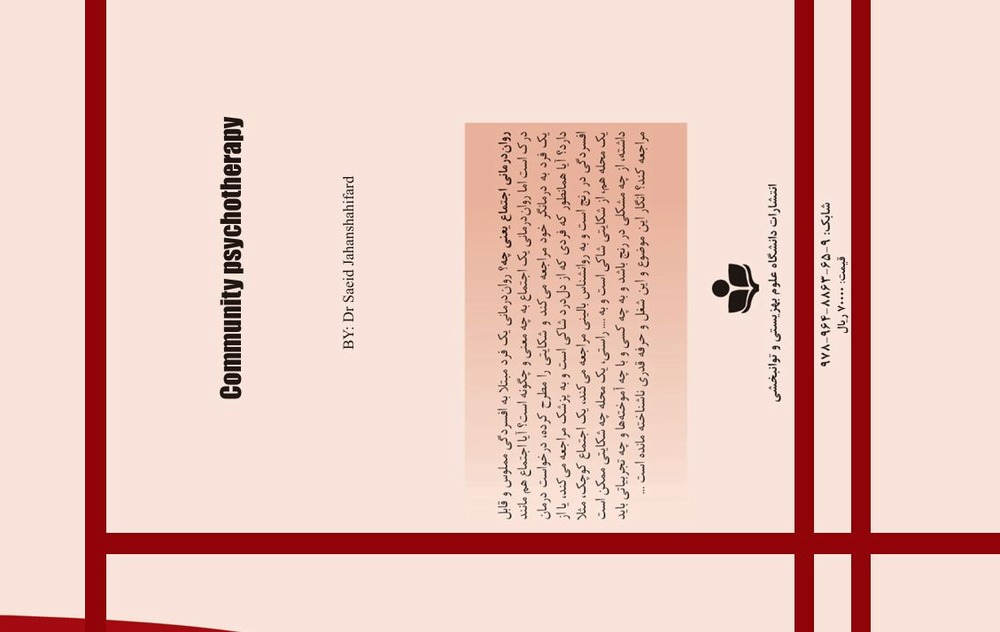
Therapeutic Exercise for Enhancing Elderly Health
- Authors(s)
- Nazila Akbarfahimi, Dr. Seyed Ali Hosseini, Nasrin Jalili
- Year
- 2010
This book provides a practical and illustrated guide to therapeutic exercises aimed at improving health, mobility, and functional independence in older adults. It begins by describing the characteristics and needs of the elderly population, followed by common age related conditions that influence physical performance. The main section presents structured exercise programs including mobility, balance, flexibility, posture, breathing, circulation, strength training, and condition specific routines for osteoporosis, arthritis, amputation, stroke, and Parkinson’s disease. Each exercise includes clear instructions, recommended repetitions, and safety considerations tailored to individual capabilities. The book emphasizes the importance of assessment, personalized planning, and active participation to promote healthier aging and enhance quality of life.
more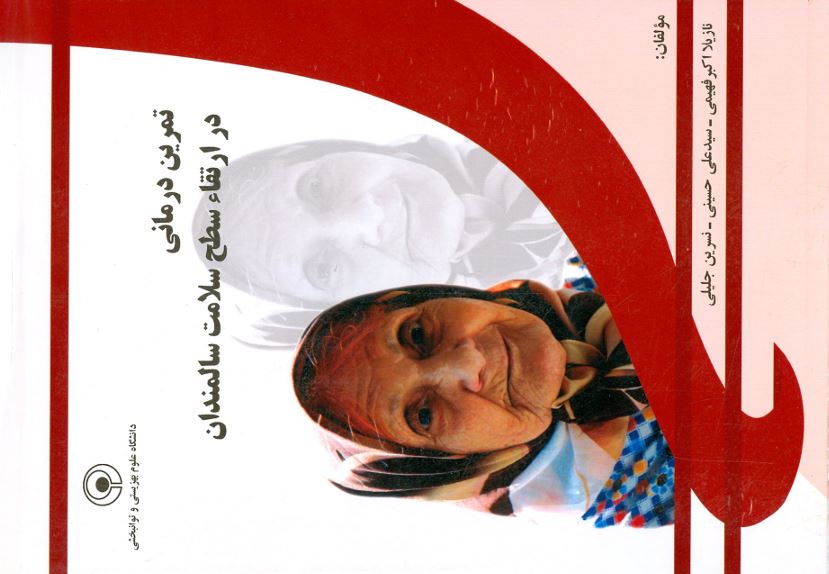
Step by Step Education for Deaf Blind Children (Volume II)
- Authors(s)
- Dr. Younes Lotfi, Saeideh Mehrkian, Akram Hajaliakbar, Sirvan Sheykhi
- Year
- 2010
This volume continues the structured educational program for young deaf blind and hard of hearing children, focusing on lessons five through eight. It expands on communication strategies, emphasizing how parents can support non verbal and verbal interaction during daily routines. The book provides guidance on social development, emotional needs, and practical ways to strengthen listening and language skills through play based activities. Each lesson includes clear instructions, developmental insights, and adaptable exercises that help families create meaningful learning opportunities at home. By combining developmental principles with accessible teaching methods, the book supports parents in enhancing their child’s communication, independence, and overall growth.
more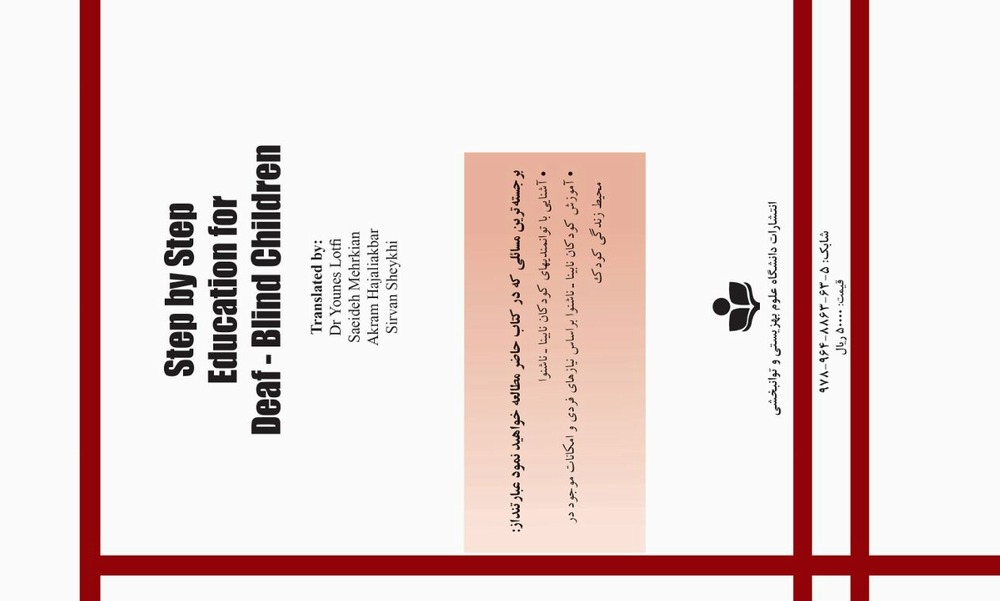
Step by Step Education for Deaf Blind Children (Volume I)
- Authors(s)
- Dr. Younes Lotfi, Saeideh Mehrkian, Akram Hajaliakbar, Sirvan Sheykhi
- Year
- 2010
This book introduces a structured, step by step educational program designed for young deaf blind and hard of hearing children, focusing on ages two to six. It emphasizes understanding each child’s individual abilities and tailoring instruction to their communication needs and home environment. The text explains how early communication develops, how non verbal interaction can be strengthened, and how parents can support language, listening, and cognitive growth through everyday routines. Lessons include guidance on developmental milestones, safety, family involvement, and practical activities that promote speech, auditory skills, and meaningful interaction. The book provides clear, accessible strategies that help families create supportive learning experiences and enhance their child’s communication and independence.
more
Improving Learning Motivation: An Educational Model
- Authors(s)
- Dr. Ghoncheh Raheb
- Year
- 2010
This book presents a structured educational model designed to enhance learning motivation based on social constructivist theory. It explains how motivation develops, how it can weaken, and which cognitive and social factors contribute to its improvement. The model emphasizes self regulation, self efficacy, communication skills, and cooperative learning as core components that strengthen learners’ engagement. Through theoretical discussion, practical strategies, and evidence from an academic study, the book demonstrates how constructivist principles can be applied to increase autonomy, mastery, and meaningful interaction in learning environments. It serves as a practical guide for educators seeking to foster deeper motivation and more effective learning among students.
more
An Introduction to Muscle Histopathology
- Authors(s)
- Elahe Keyhani, MD Fatemeh Aghakhani Moghadam Jalal Gharesoran
- Year
- 2009
This book introduces the essential histopathological features used in diagnosing muscle diseases, emphasizing their critical role in identifying hereditary neuromuscular disorders. Accurate recognition of these microscopic patterns can guide prenatal diagnosis and help prevent new cases of severe muscular disability. The text reviews muscle physiology and histology, explains biopsy techniques and laboratory processing, and describes key staining methods including enzymatic and immunohistochemical approaches. It also provides an overview of common muscular dystrophies, congenital myopathies, inflammatory myopathies, metabolic disorders, and mitochondrial diseases, offering clinicians a practical foundation for interpreting muscle pathology.
more
Introduction to RGO Orthosis and Its Applications
- Authors(s)
- Mokhtar Arazpour, Reza Vahab Kashani, Seyed Mohammad Ebrahim Mousavi
- Year
- 2009
One of the primary goals in the rehabilitation of individuals with spinal cord injury is enabling them to stand and walk. Although wheelchairs remain the most common mobility option, long-leg orthoses combined with crutches have traditionally been used to facilitate ambulation. These devices, however, are often heavy, cumbersome, and energy consuming, leading many patients to abandon them after hospital discharge. The book introduces the Reciprocal Gait Orthosis (RGO), a more advanced and efficient orthotic system designed to provide controlled reciprocal hip motion in the absence of functional hip musculature. It reviews the evolution of RGO designs, their biomechanical principles, fabrication methods, clinical applications in spinal cord injury and myelomeningocele, and training protocols for effective use.
more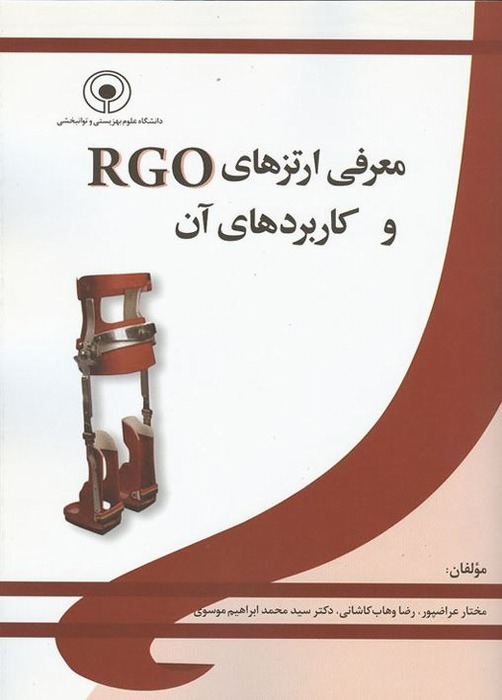
Physiotherapy Interventions for Patients with Functional Ankle Instability
- Authors(s)
- Behnam Akhbari Mahyar Salavati Maedeh Khalifehlou
- Year
- 2009
Functional ankle instability is highly prevalent, especially among athletes, and requires targeted physiotherapy interventions to support safe return to sport and physical activity. This book introduces the anatomical structure of the ankle, mechanisms of ligament injury, and the biomechanical factors contributing to instability. It outlines essential rehabilitation exercises, proprioceptive training, balance programs, and functional assessments designed to restore stability and prevent recurrent sprains. The authors aim to provide practical, evidence based physiotherapy strategies that enhance clinical decision making and improve outcomes for patients with chronic or recurrent ankle instability.
more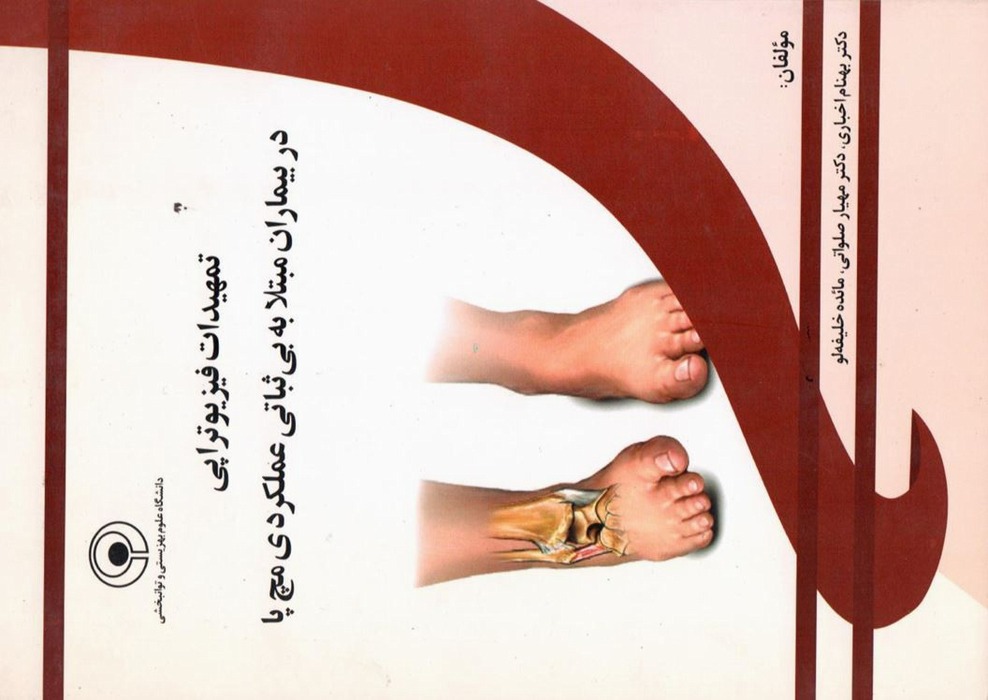
Nursing and Addiction
- Authors(s)
- Hamid Reza Khankeh, Masoud Fallahi Khoshknab, Kian Norouzi Tabrizi, Maryam Ranjbar, Mohammad Hassan Farhadi, Abolfazl Rahgooy
- Year
- 2009
This book addresses the complex behavioral problems associated with substance abuse and addiction, emphasizing their broad impact on individuals, families, and society. It highlights advances in psychological and medical sciences that have transformed addiction from a mystical or moral issue into a preventable and treatable disorder. The text reviews the social, psychological, and biological dimensions of addiction, its prevalence, causes, and neurobiology. It also discusses prevention strategies, treatment approaches, harm reduction, and the essential role of nurses within healthcare and support systems. The book aims to provide updated scientific and practical knowledge for nursing students and healthcare professionals involved in addiction care.
more
Spinal Diseases and Orthoses
- Authors(s)
- Dr. Farzad Saadlo, Fatemeh Zarezadeh, Massomeh Veiskarami, Reza Vahab Kashani, Mohammad
- Year
- 2009
This book introduces common spinal diseases and the orthoses used in their management, emphasizing correct prescription and the collaborative role of rehabilitation and orthotic specialists in spine care. It highlights the biomechanical importance of the vertebral column in protecting the spinal cord and supporting ligaments, muscles, and nerves. Given the complexity and prevalence of spinal disorders, the text underscores the need for coordinated medical and rehabilitation approaches. It reviews spinal anatomy, deformities, traumatic injuries, diagnostic principles, surgical considerations, and orthotic interventions, aiming to strengthen communication between neurosurgeons and rehabilitation teams.
more
Analytical Statistics with Introduction to R
- Authors(s)
- Gholamreza Jandaghi, Ali Hamidi Zadeh, Masoud Karimlou
- Year
- 2009
This book is the result of many years of teaching advanced statistics at the master’s level. It is designed to cover the syllabus of analytical statistics for graduate programs in the humanities. A distinctive feature of the book is the introduction of the R software for statistical data analysis. The first part presents four chapters on estimation theory, hypothesis testing, linear and multiple regression, and common non parametric tests used in management research. The second part explains how to describe and analyze statistical data in R, covering introductory concepts, descriptive statistics, probability, sampling, estimation, and analytical statistics using both parametric and non parametric methods. The authors hope that feedback from instructors, students, and researchers will help improve future editions.
more
انتخاب حالت کور رنگی
سرخ کوری سبز کوری آبی کوری سرخ دشوار بینی سبز دشوار بینی آبی دشوار بینی تک رنگ بینی تک رنگ بینی مخروطیتغییر اندازه فونت:
تغییر فاصله بین کلمات:
تغییر فاصله بین خطوط:
تغییر نوع موس:
تغییر نوع موس:
تغییر رنگ ها:
رنگ اصلی:
رنگ دوم:
رنگ سوم: